Teaching with Games
Game-Based Learning
Game-based learning (GBL) is an innovative strategy used in medical education that puts a fun twist on both teaching and learning. Using games and gaming elements to teach can facilitate interaction, engagement and immersion. There are multiples types of game-based education strategies, including:
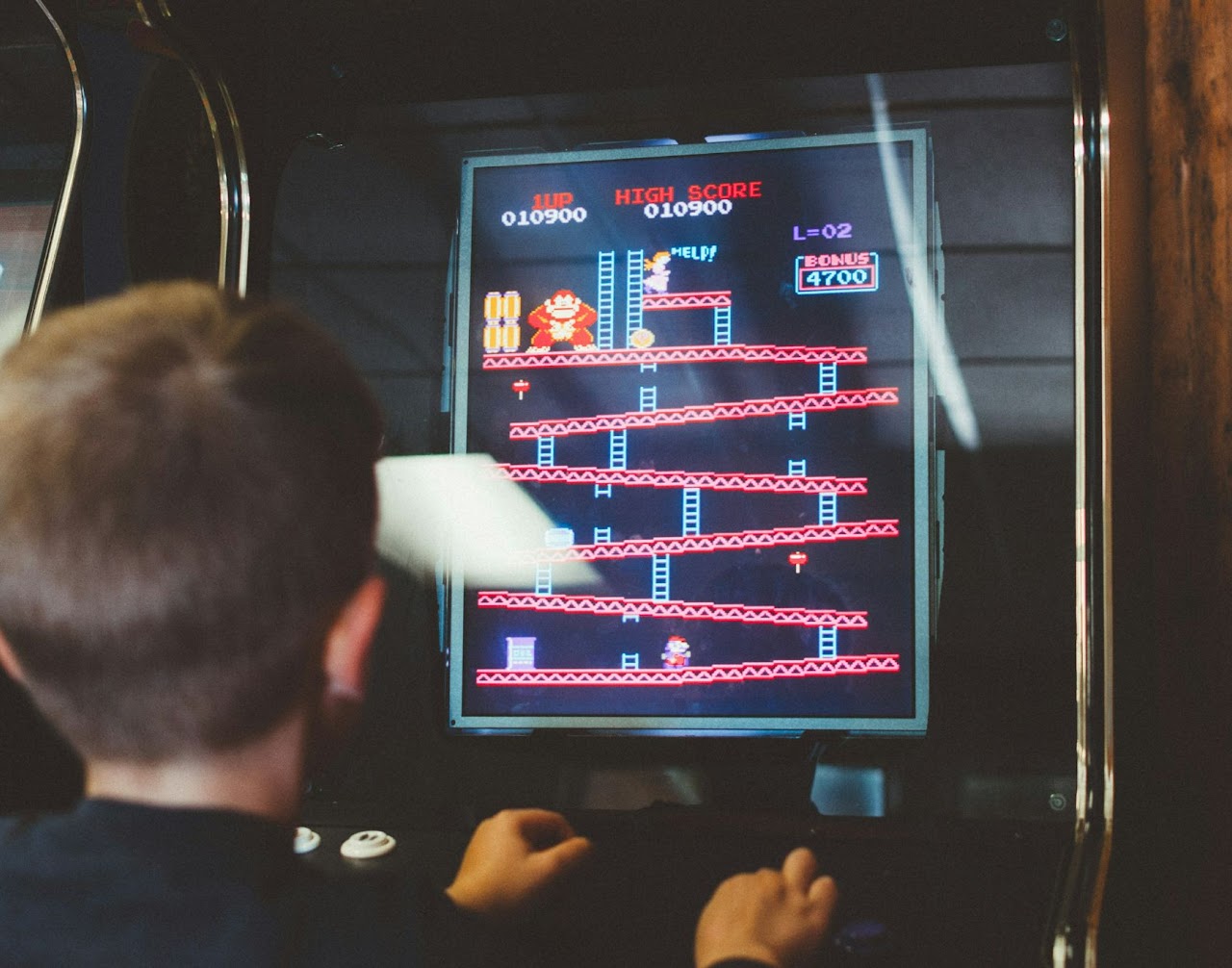
Using game design elements in educational activities. Learners work for extrinsic rewards (e.g. points, rewards systems, badges, levels).

Gamification Resources
Click the links below to access platforms that allow incorporation of gamification into learning activities.

Gamification
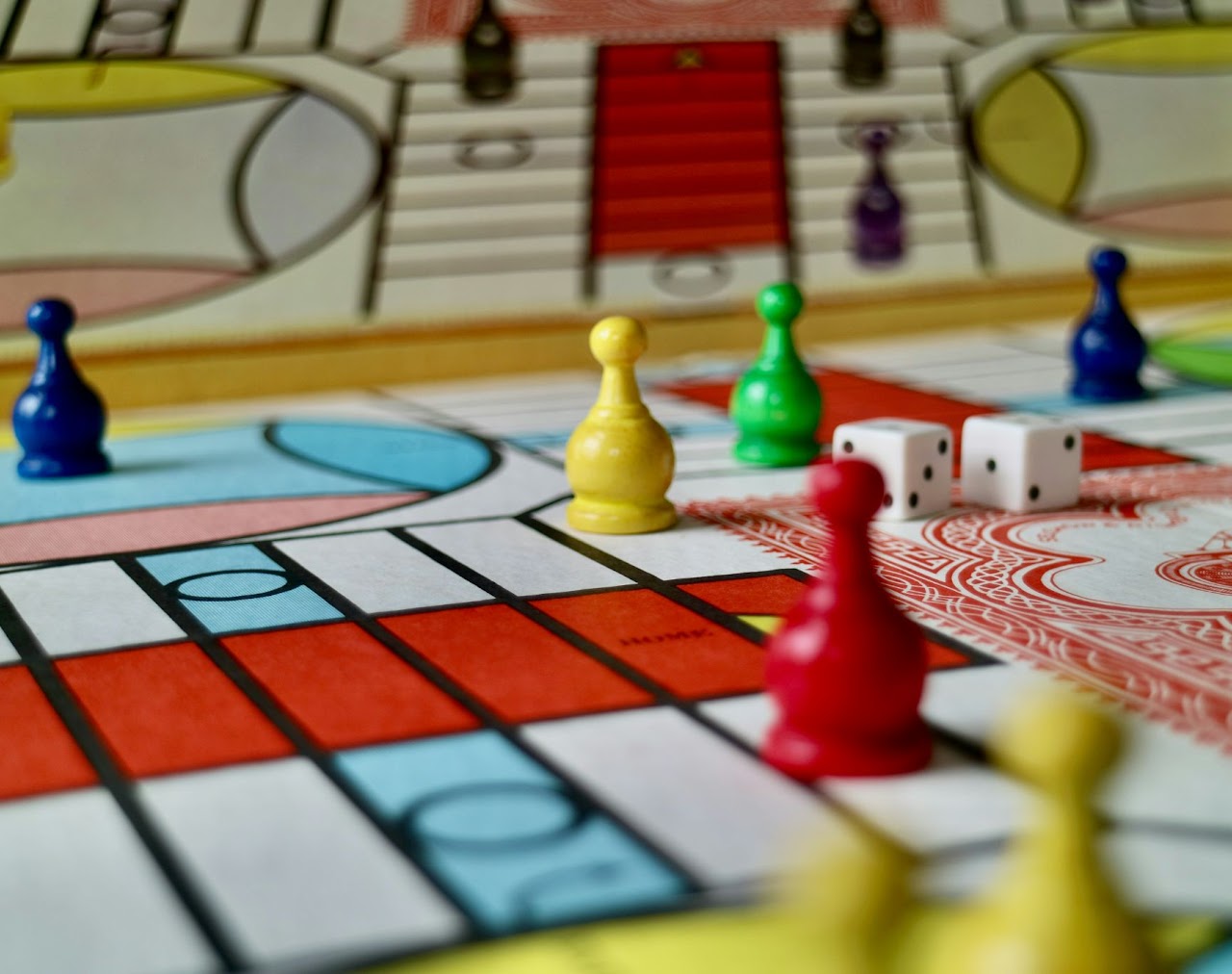
Playing games is fun! It turns out it can be an effective teaching strategy as well. By using game principles and design to teach, you can motivate and engage learners in new ways. Below are links to websites that you can use to work some gaming strategies into your didactics, including morse code, crossword, QR code generators, and tinyurl generators.
Serious Games
Below are links to serious games that can be used for medical education. Some cost $$ and some are free. Included below are ideas for how to create serious games, just plug in your own teaching objectives and content.


Simulation Games
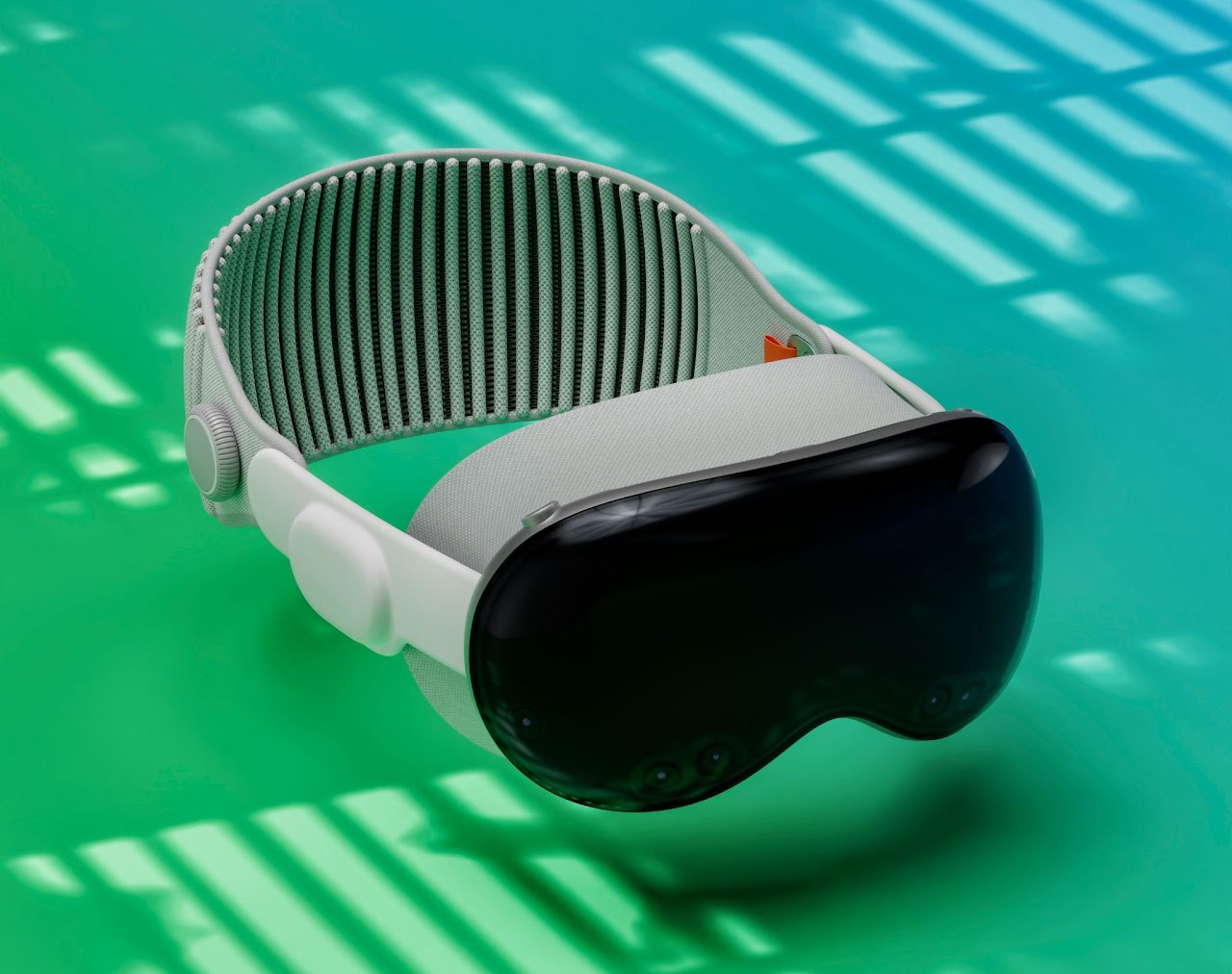
Below are a variety of links to simulation games. Simulation games can come in a variety of formats including web-based, in - person and virtual reality (VR)

Escape Rooms
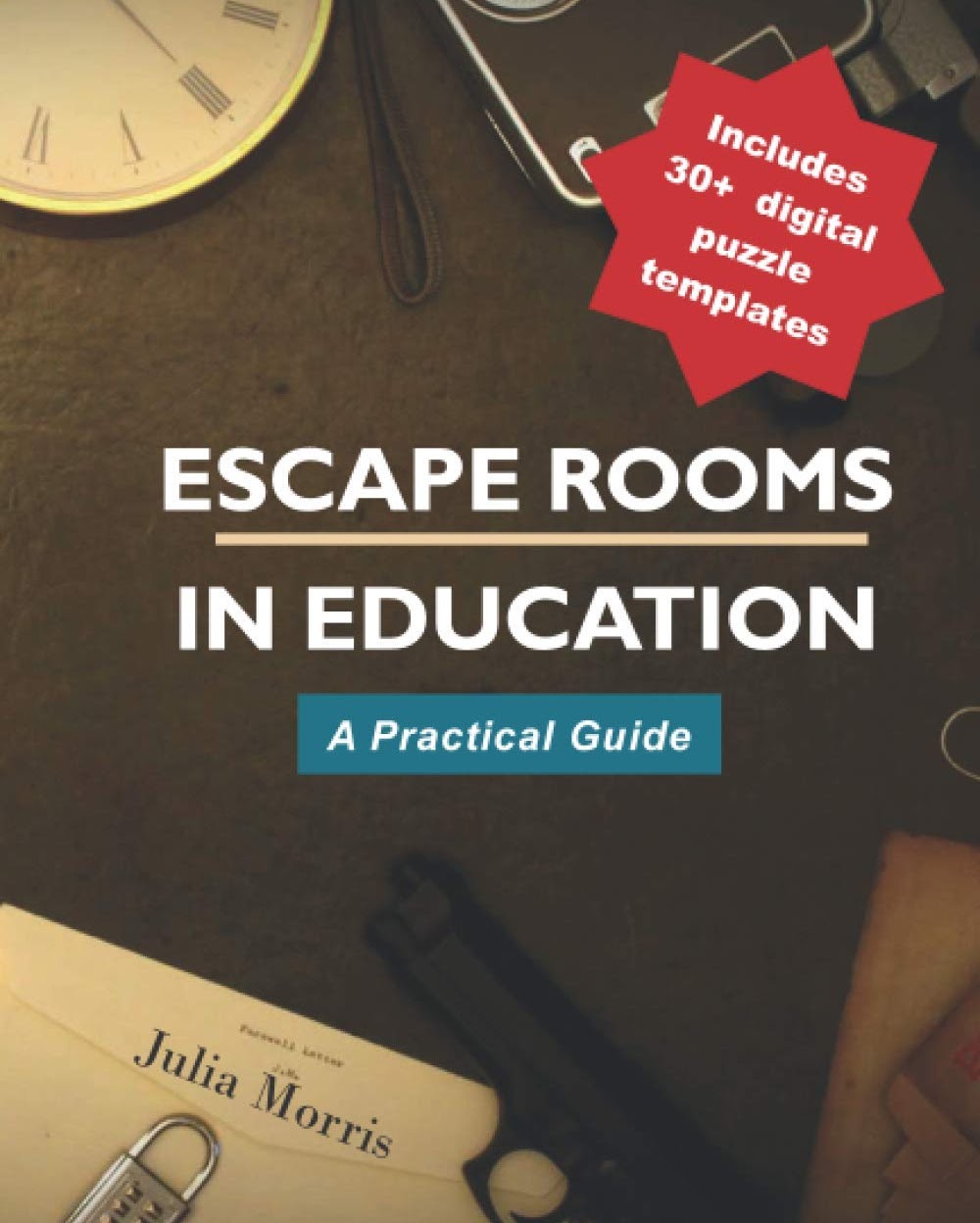
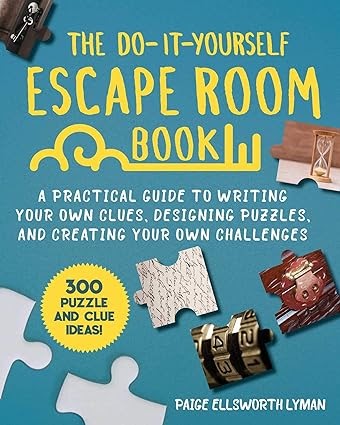
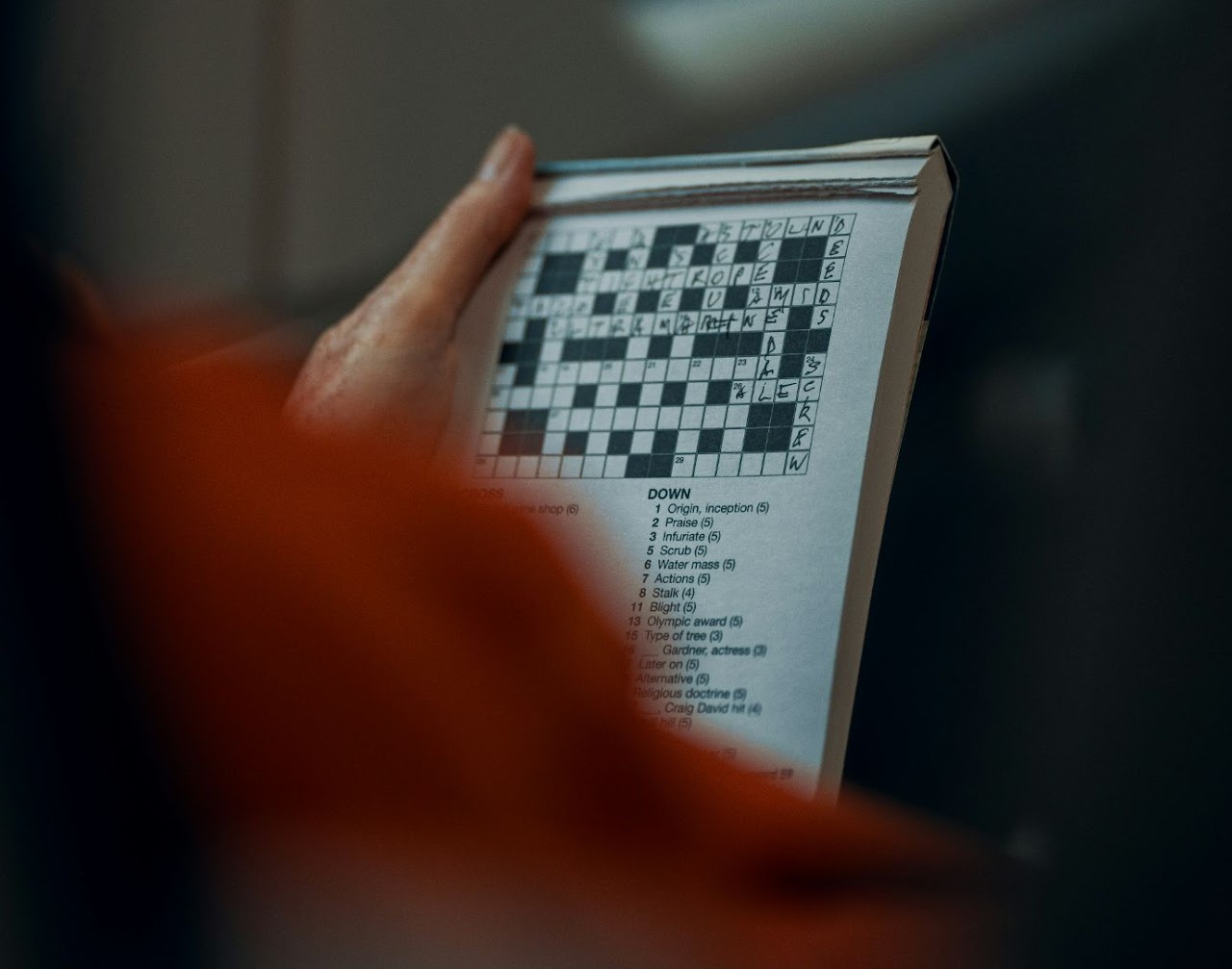
In general escape rooms have a theme (e.g. a case, clinic, or shift). Solving puzzles leads to codes that then lead to more puzzles or the end of the game in which you overcome a challenge. Escape rooms are fun, but time intensive to create and work through. Remember that you can always use individual components of an escape room to quickly teach on the fly (e.g. crossword puzzles, word searches, jigsaw puzzles). Below resources that can be used to build your own escape room.
Tips for Game-Based Learning
Adapted from Pitt, M. B., Borman-Shoap, E. C., & Eppich, W. J. (2015). Twelve tips for maximizing the effectiveness of game-based learning. Medical Teacher, 37(11), 1013–1017. https://doi.org/10.3109/0142159X.2015.1020289
Make Memories
Unique experiences make memories. Educational games can create an enjoyable experience while learning.

No-Stress Competition
If a game is competitive, think of ways to make it less stressful. Encourage a supportive, non-threatening environment. Guesses and incorrect answers should be used as an opportunity for discussion. Encourage group play – raising a clock rather than each other.
Use What's Out There
There are lots of games concepts that can be applied to medical education. Cut down on game learning time by using games that are well known.
Use What's Out There
Feedback/Debrief
Resources
Articles
1) Pitt, M. B., Borman-Shoap, E. C., & Eppich, W. J. (2015). Twelve tips for maximizing the effectiveness of game-based learning. Medical Teacher, 37(11), 1013–1017. https://doi.org/10.3109/0142159X.2015.1020289
2) Shah, A. S., Pitt, M., & Norton, L. (2023). ESCAPE the Boring Lecture: Tips and Tricks on Building Puzzles for Medical Education Escape Rooms. Journal of Medical Education and Curricular Development, 10. https://doi.org/10.1177/23821205231211200
3) Edwards, S., Gantwerker, E., Cosmini, M., Christy, A., Kaur, A., Helms, A., Stiver, M., London, Z. (2023) Game-Based Learning in Neuroscience: Key Terminology, Literature Survey, and How To Guide to Create a Serious Game. Neurology Education, 2 (4). https://doi.org/10.1212/NE9.0000000000200103
Groups