Mental Health
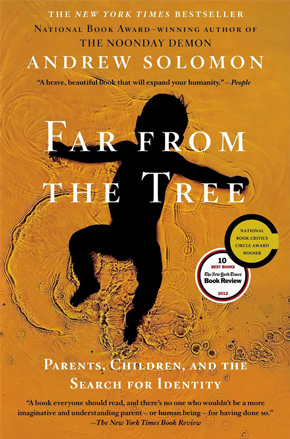
Book about families with children with various disabilities (hearing loss, autism, Down syndrome, schizophrenia, dwarfism, etc). Explores triumphs and challenges of raising children with neurodevelopmental and mental health disorders from parent and child perspective.
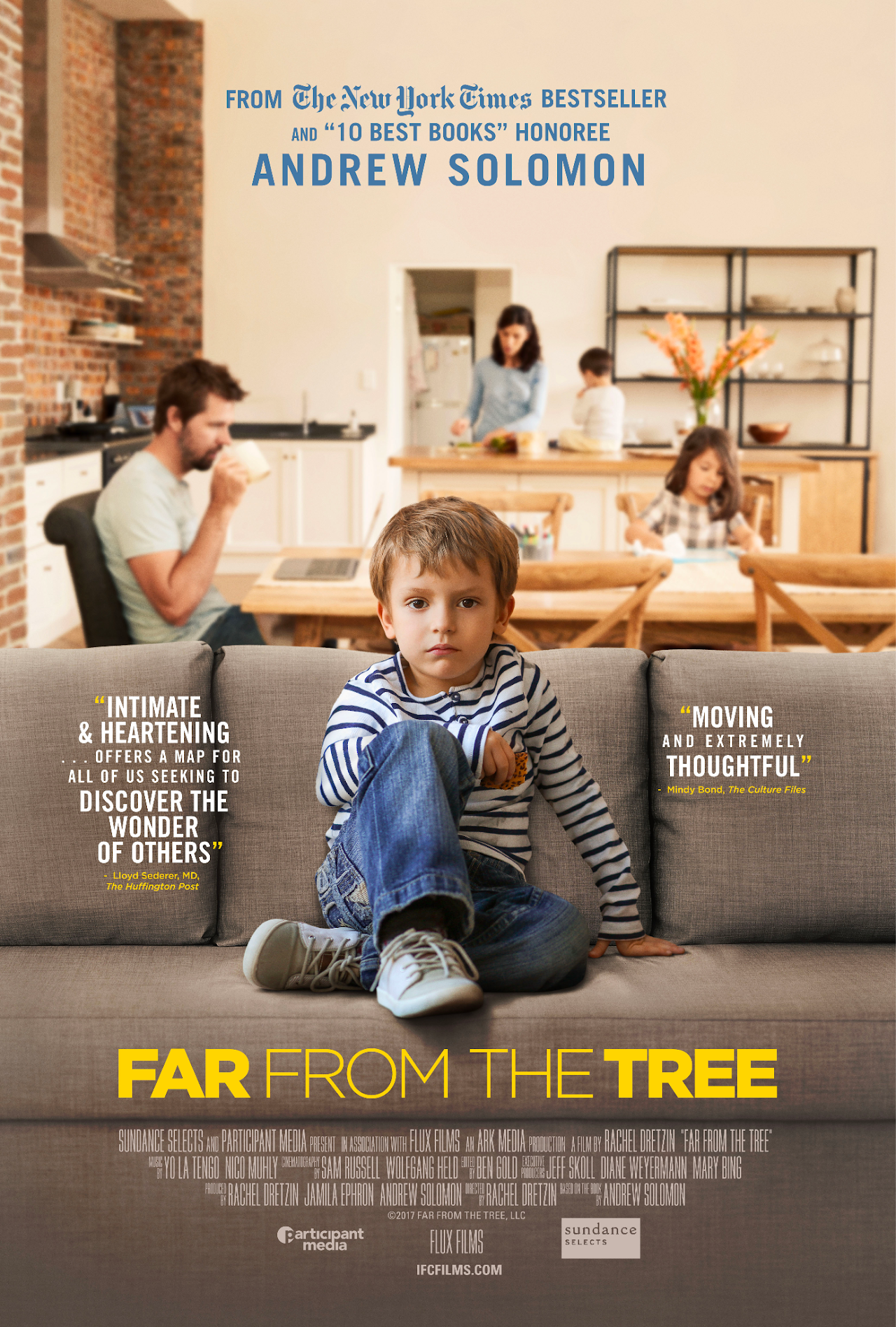
Based on the book Far From the Tree, this is a documentary about families with children with various disabilities. Explores triumphs and challenges of raising children with neurodevelopmental and mental health disorders from parent and child perspective.
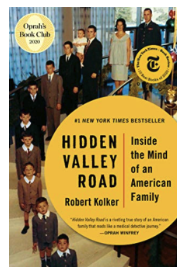
True story of a famiy of 12 children, 6 of whom are diagnosed with schizophrenia. Blend of family biography and history of schizophrenia diagnosis and treatment. Very good.
This website provides resources for physicians and families regarding mental health of infants and young children. The video provides information on diagnosis and treatment in this population.
Website provides resources and highlights important key points. The lecture emphases the importance of addressing mental health early and effective communication techniques in treating children and families (HEL2P3).

"Stressed brains can't learn." That was the nugget of neuroscience that Jim Sporleder, principal of a high school riddled with violence, drugs and truancy, took away from an educational conference in 2010. Three years later, the number of fights at Lincoln Alternative High School had gone down by 75% and the graduation rate had increased fivefold. Following six students over the course of a school year, we see Lincoln's staff try a new approach to discipline: one based on understanding and treatment rather than judgment and suspension. Paper Tigers is a testament to what the latest development science is showing: that just one caring adult can help break the cycle of adversity in a young person's life.