Anxiety

Intended for teaching residents and consists of 2 modules: brief interventions and anxiety. Each module has background handout, ppt presentation with imbedded case presentations and role play scenarios. Includes great AAP resource for screening tools.
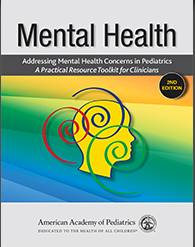
Contains screening and assessment instruments, quick-reference care management advice, step-by-step care plans, time-saving documentation and referral tools, coding aids, billing and payment tips, parent handouts, community resource guides. Could not review entire toolkit. Cost is $80-$150 depending on package and AAP membership. Click here to access some related free tools.
Review of RCTs and meta-analyses that help us understand the side effects of SSRI vs. Placebo and SSRI vs. SNRI, reviewing side-effects especially pertinent to the adolescent population including Activation and the Suicidality black-box warning.
Succinct overview of psychopharmacology of SSRIs and SNRIs, definition of adequate trial of therapy, and recommendations for when/how to discontinue therapy.
This video provides an overview of how parents may inadvertently reinforce and sustain anxiety in children. The presenter discusses ways that parents can support children's ability to overcome anxiety and also addresses how parents' differing responses to childhood anxiety can cause relationship strain.
Care guide from U. of Washington for anxiety. Includes care algorithm, med management, SCAREDs, resources, handouts.
This video discusses triggers for anxiety, importance of family history, age variation, physical symptoms and common anxiety disorders seen by pediatricians including separation anxiety, social anxiety and generalized anxiety. It discusses evidence-based treatments for anxiety and as well as special considerations during covid-19. In addition to the video, there are several resources for clinicians and families.
Video lecture with PowerPoint, providing overview of interventions effective in treating child and adolescent anxiety disorders. The strategies discussed include cognitive interventions such as cognitive restructuring, somatic skills such as relaxation, and emotion-based techniques such as the use of competing emotions.

Website reviewing common types of pediatric anxiety disorders. Website also includes several videos/programs for parents which have a cost included.
Helpful slide deck of overview of SSRI and atypical antipsychotics for children, including use in depression, anxiety, and autism.
Good overview of medications used for ADHD, Anxiety, Depression and the mood stabilizers. It provides insight into starting doses, converting dosing, side effects, when to change medications and includes FDA approval and evidence based recommendations from clinical trials. The slides are easy to read and only include high yield recommendations, but it is a thorough resource.
The website includes a summary of the video which discusses commonly used screening tools for assessment of anxiety, depression and ADHD. Additional resources for providers and families are available on the website.
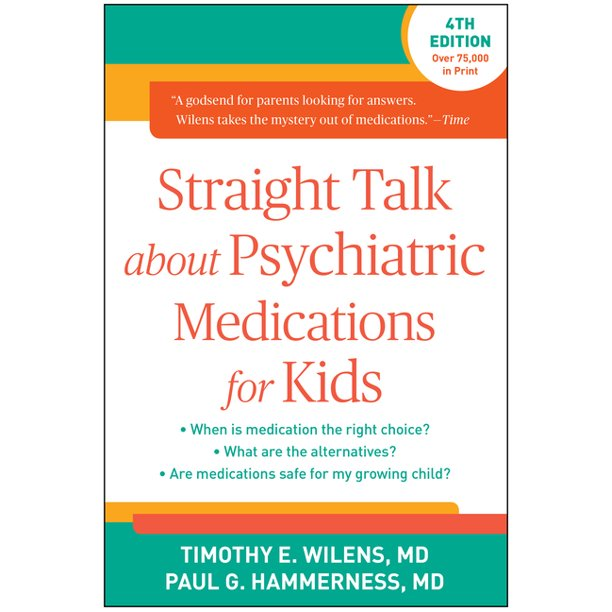
Easily accessible discussion of all classes of psychopharmacology used in pediatric patients, geared towards parents but in appropriate detail for trainees or practicing clinicians.
"This video-lecture presents an overview of anxiety including the cognitive, behavioral, emotional and behavioral aspects of the anxious response. The anxiety disorders commonly manifested in children and adolescents are described and epidemiological data about their prevalence is discussed."