Child Development

Review of evidence-based research into impact of media on young children and an approach to guide families as to how to structure their child's media exposure so that this can be a positive shared family learning time and how to make a family media plan so that it does not become too much screen time.
These resources aim to improve the communication of physicians with patients and their families related to diagnosis of a chronic medical condition and/or evaluation of an emotional/behavioral health diagnosis.

Dr. Lisa Shulman (DBP) talks through expected communication milestones at 4 stages (7-8 months, 12-15 months, 18 months, 24 months), and there are videos of children demonstrating these skills with caregivers. She discusses social engagement, attention to communication and communicative intent.

The podcasts include many experts who have good discussions about the developing brain and impact of environment. There are other resources in addition to these podcasts from the Center of the Developing Child on a number of child development topics.
Discusses appropriate ways to mentor and balance your child's media habits. Encourages co-viewing with your child and setting positive examples as parents. Consider shifting perspective from controlling to connecting with your child through media

This website briefly discusses developmental monitoring, screening and evaluation, and why it is important. It links to developmental milestones, and encourages caregivers to monitor their child's development, and why it's important. There is also a brief description of services that are available for young children with developmental delays.
This webinar explains developmental delay and intellectual disability (ID)in detail, including the evaluation/diagnostic process, etiology and recommended workup, and the range of outcomes for individuals with ID.
Description of updated CDC developmental milestones. New milestones based age at which > 75% of children display the milestone.

This is a helpful and succinct resource to share with parents. This information can be used to help them identify clues in toddler development that can alert them to a potential issue. These clues may be indicative of possible autism but also may lead to other diagnoses, including vision problems or hearing loss. Early identification of developmental delays and/or differences is important for early intensive intervention to begin.
Wonderful video about assistive technology and AAC, using a few different patient stories and drawing on experience of professionals as well. Links and explains how AT/AAC increasing inclusion and self-concept for children with disabilities through explaining and integrating concepts including WHO ICF, the 'F words" in disability, IDEA, and IEP.
An overview of factors to reduce risk exposure and to build stress-resistant pathways and post-traumatic growth is provided.

Basic definition of language and learning disabilities. Provides information on how these disorders may present over the course of early development. Overview of Language development and language based learning difficulties.

Ted Talk on The National Survey of Health & Development. Discussed the key role parents play in child outcomes. Listening to children, reading to children, encouraging bedtime routine all have a positive impact. Engaged parenting makes a difference.

Documentary highlighting importance of early childhood education. Very well done and fun to watch. Offers evidence-based information from experts from various fields.

"Stressed brains can't learn." That was the nugget of neuroscience that Jim Sporleder, principal of a high school riddled with violence, drugs and truancy, took away from an educational conference in 2010. Three years later, the number of fights at Lincoln Alternative High School had gone down by 75% and the graduation rate had increased fivefold. Following six students over the course of a school year, we see Lincoln's staff try a new approach to discipline: one based on understanding and treatment rather than judgment and suspension.
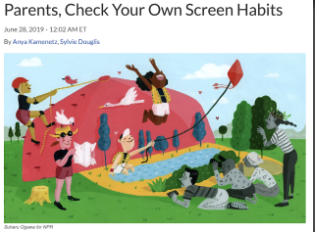
Discusses the impact of new media on children and families. References research publish by Dr. Jenny Radesky. Provides tips for parents on how to mentor media for their children.

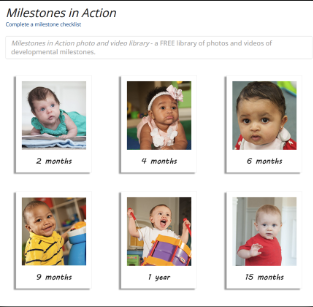
"Parent-focused website with milestone guides and videos illustrating expected motor, sensory, and communication development from birth to 6 years. First year milestone guide supported by AAP, and all resources have been developed with expert pediatric (incl DBP) guidance. Most videos in English, some in Spanish and other languages. Includes baby game/appropriate activities calendar by age and early detection of delays and early intervention. Pathways 'Academy Courses' are offered 'Courses to Go' for healthcare providers or parents who would like to teach or learn from the course; either free or with a charge of $5-20."

Comparison of motor development at 2 months, 4 months and 6 months. The videos compare typical and atypical motor development, each video is narrated, and pictures are used to demonstrate motor skills.

The acclaimed five-part documentary series and companion tools illustrate how a strong start for all our kids can lead to better individual outcomes AND a healthier, safer, more prosperous and equitable America. Episode 1 provides an overview of the neuroscience. Episode 2 discusses about universal childcare. Episode 3 delves into economic impact of investment in early childhood. Episode 4 goes in-depth into trauma and PTSD. Episode 5 introduces epigenetics and resilience.

Documentary about the effects of toxic stress on children and positive effects of resilience.
Well done review of developmental screening. Rather basic review of screening in the primary care setting. Some nice examples of studies linking early intervention with outcomes.
24-week "curriculum" with videos of parents and pediatricians discussing important topics for each of the first 24 weeks of a baby's life. Every few weeks there are also mindfulness videos and exercises for parents. There are relevant brief "Some Science" blurbs and reflection questions.

Very brief, succinct interactive case to dispel myths about language acquisition and delays and support for PCP's next steps referrals both in toddlerhood and after age 3. Provides information about California state law. Could be VERY easily modified for individual states and potentially to introduce speech/language concerns vs. ASD.

TED-MED Talk on the relationship between ACES/Trauma, neurodevelopment, and health across the life span. Discussion on how to use this information to prevent and treat various implications/outcomes.
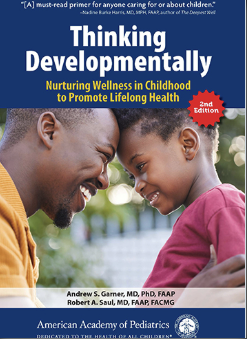
This revised edition book encourages pediatricians to look beyond basic medical care and address the environmental factors that shape a child's lifelong health. It emphasizes the power of positive childhood experiences and the "affiliate" response to stress as tools for better developmental outcomes.

Comprehensive website covering a variety of topics related to fostering development from birth to age three. Includes videos, resources/training opportunities for professionals, resources for parents/families, and more. Also includes a great deal of information about advocacy work and ways to get involved.