Trauma

Ernestine Briggs-Kline is interviewed about resilience in children. She touches on the definition of resilience as well as topics like the health-related consequences of trauma, racism and prejudice of other forms and how to talk to parents about trauma and resilience.
Indicates it is a toolkit to better understand the effects of exposure to violence and how to approach the issue in the pediatric medical home setting. There are 5 topics, and for each topic area, there are 6 components: vignette, teaching PowerPoint, discussion questions, quiz, resources.
Clinical report describing the effects of childhood maltreatment from young children into adolescence/adulthood, as well as describing the evidence-based clinical interventions for these individuals.

Includes both a 6-part “Trauma Toolbox For Primary Care” series designed to help primary care practices integrate trauma-informed care and trauma screening, as well as “Helping Foster and Adoptive Families Cope with Trauma: A Guide for Pediatricians,” which includes materials to educate pediatricians in caring for families involved with the child welfare system.

Memoir of a young woman who was raised by unorthodox parents, initially without a birth certificate or a public school education, with allegedly limited true home-school. She details her coming of age, including abusive interactions with one of her brothers and her father, and her escape from her family through enrolling in school at age 16. Although this is a wonderful memoir on its own, I don't think it holds much educational value in diagnosing, understanding, or overcoming trauma.
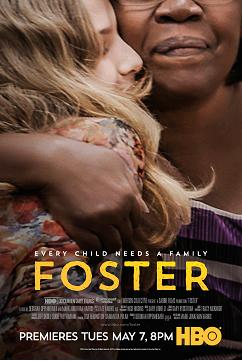
Tells the stories of several children's journeys through the child welfare system, told from various perspectives. Very good.
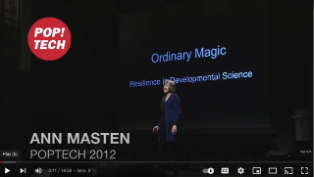
An overview of factors to reduce risk exposure and to build stress-resistant pathways and post-traumatic growth is provided.

True story of a young, black girl growing up in poverty in NYC. Written by a NYT reporter. Very interesting, well-written. Touches on multiple topics including poverty, race, social services, substance use disorders.

It is the web site of the National Child Traumatic Stress Network (NCTSN), which is funded by the Center for Mental Health Services, Substance Abuse and Mental Health Services Administration, U.S. Department of Health and Human Services. Contains various tool kits, media, educational materials for diverse audiences.

"Stressed brains can't learn." That was the nugget of neuroscience that Jim Sporleder, principal of a high school riddled with violence, drugs and truancy, took away from an educational conference in 2010. Three years later, the number of fights at Lincoln Alternative High School had gone down by 75% and the graduation rate had increased fivefold. Following six students over the course of a school year, we see Lincoln's staff try a new approach to discipline: one based on understanding and treatment rather than judgment and suspension. Paper Tigers is a testament to what the latest development science is showing: that just one caring adult can help break the cycle of adversity in a young person's life.

Documentary about the effects of toxic stress on children and positive effects of resilience.
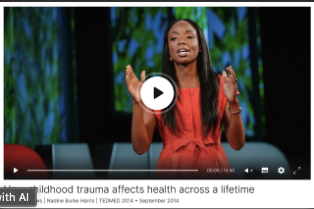
TED-MED Talk on the relationship between ACES/Trauma, neurodevelopment, and health across the life span. Discussion on how to use this information to prevent and treat various implications/outcomes.

TF-CBTWeb2.0 is a self-paced, online training course for mental health professionals learning Trauma-Focused Cognitive-Behavioral Therapy (TF-CBT). The course is comprised of 11 learning modules that cover the foundations of TF-CBT and each of the treatment components. Each module has a concise explanation of the treatment component, video demonstrations of treatment procedures and techniques, and clinical materials and resources.

Captivating, though often difficult to read, discussion of neurobiology and healing in trauma told through a series of individual patient stories. Although the book can get very technical, it is still accessible to parents.
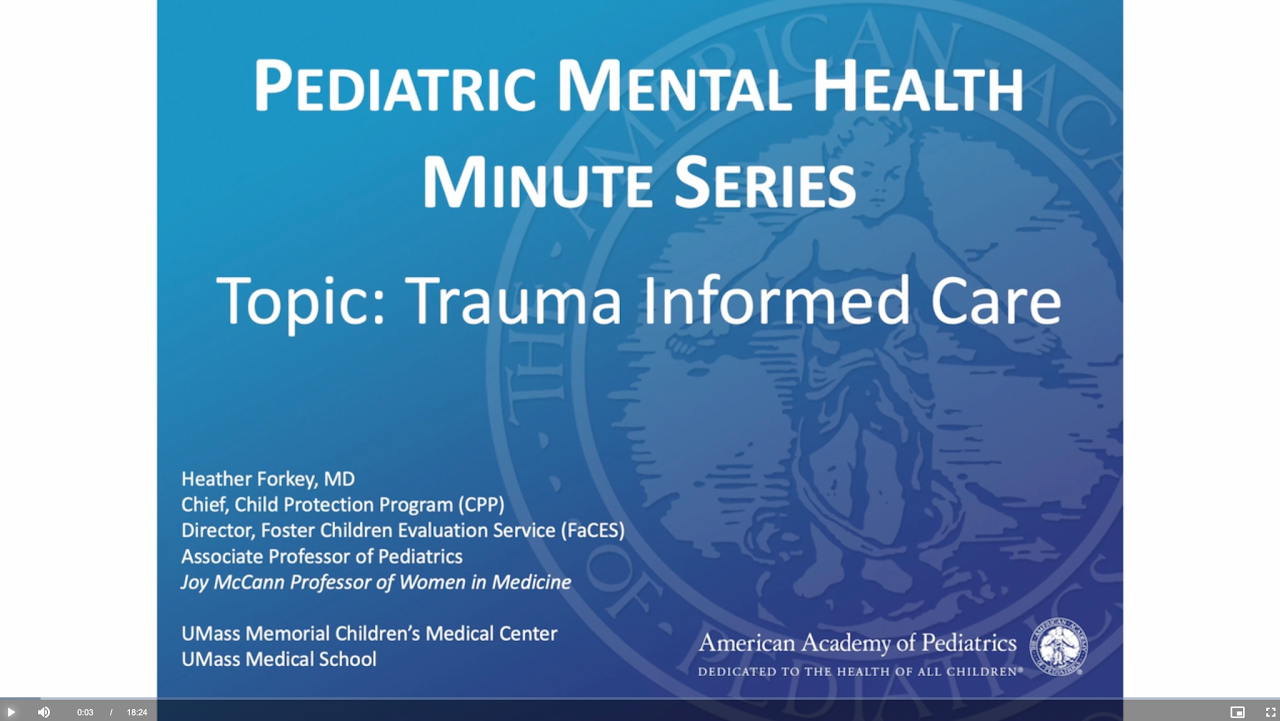
Overview of causes and treatment approaches to trauma informed care.

A Resource website created by DBP Fellow, former General Pediatrician, and adoptive mom. Contains trauma-related resources for providers, families, educators.
This video provides an overview of trauma and its effects on child development and behavior, and discusses "red flags" for general pediatricians to be aware of to help them consider exposure to trauma as a differential diagnosis. This seems to be intended for mental health clinicians who partner with general pediatricians in an integrated health care setting, but could have broader applicability to medical learners.