Motor

The AACPDM website has links to various TED talks about aspects of motor disabilities, current state of research, e-courses that are more extensive.
Nice video library of signs/symptoms of muscle weakness and hypotonia. Also includes algorithm for management of motor delay/weakness and red flag signs/symptoms.
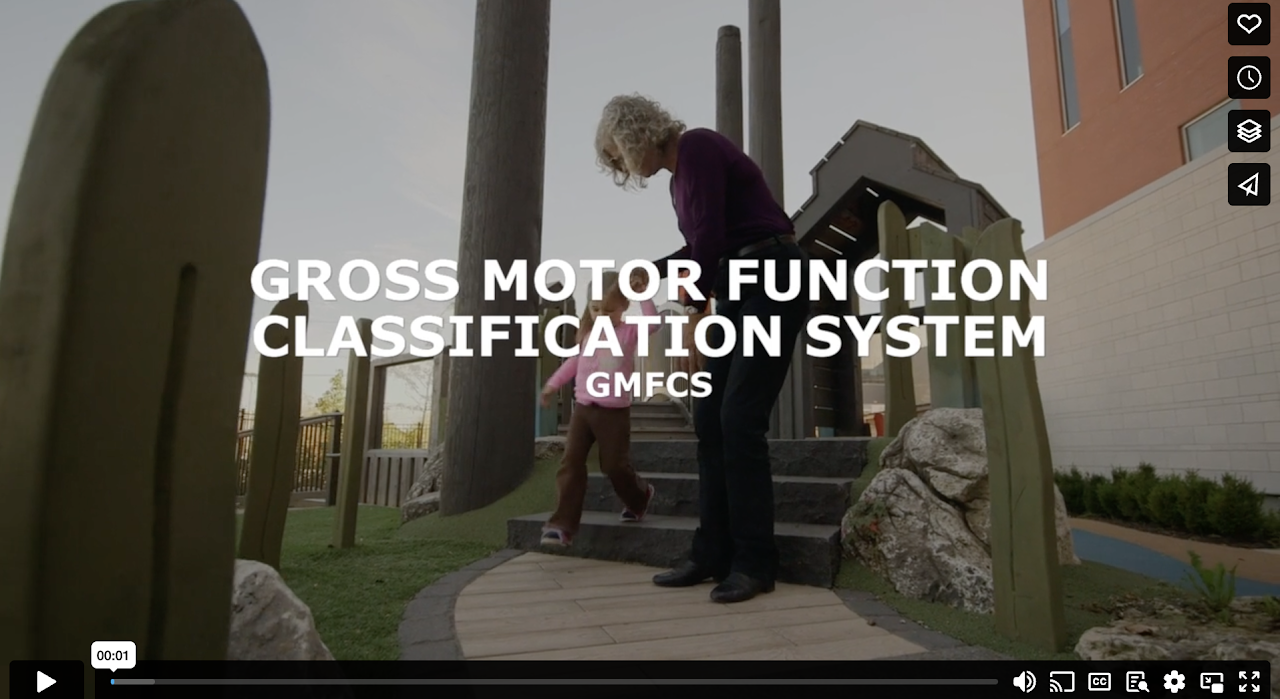
This video describes the Gross Motor Function Classification System (GMFCS) which may be used to classify the gross motor ability of children with a diagnosis of cerebral palsy. It uses a video format that includes narration and pictures. The video has excellent sound, excellent pictures and variety of examples.
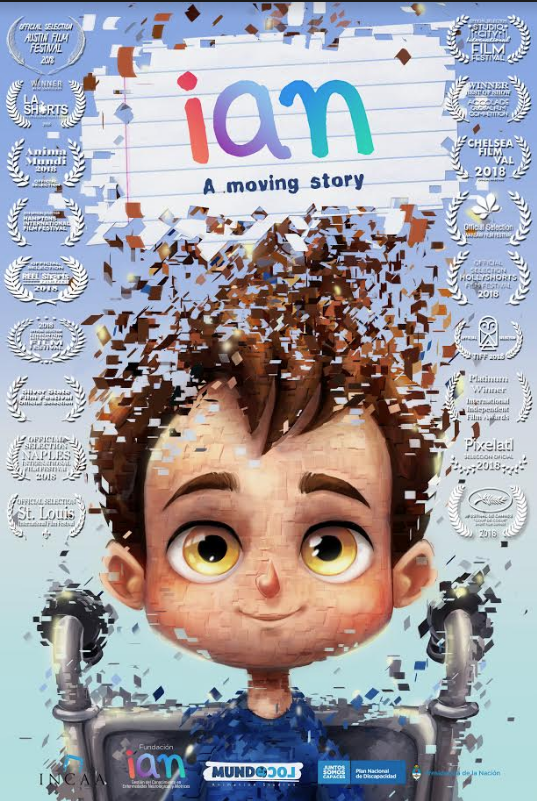
All kids want to play. Kids with disabilities are no different. “Ian” is a short, animated film inspired by the real-life Ian, a boy with a disability determined to get to the playground despite his playmates bullying him. This film sets out to show that children with disabilities can and should be included.
Wonderful video about assistive technology and AAC, using a few different patient stories and drawing on experience of professionals as well. Links and explains how AT/AAC increasing inclusion and self-concept for children with disabilities through explaining and integrating concepts including WHO ICF, the 'F words" in disability, IDEA, and IEP.
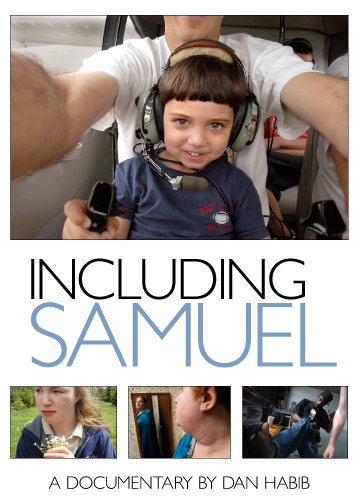
Documentary about Samuel, a young boy with cerebral palsy, created by Daniel Habib, photojournalist and father of Samuel. Explores inclusion for children with disabilities in all areas of life, including school.

Review of Cerebral Palsy, etiology, presentations/classifications, treatments, behavioral concerns.

Comparison of motor development at 2 months, 4 months and 6 months, the videos compare typical and atypical motor development, each video is narrated, pictures are used to demonstrate motor skills.