Fetal Alcohol Spectrum Disorders
For Providers
This AAP website provides an FASD toolkit, fact sheets, resources for families, professional development opportunities and podcast links.

Website with general information, intervention recommendations, living experience stories, resources for families and all who care for individuals with FASD.

Created by FASD United, this fact sheet describes possible characteristics of individuals with FASD and gives resources for more information.

FASD United is an organization that empowers people living with FASD, informing research, policy, and practice. Families can take utilize a family navigator through this organization. Also great for resources and sponsor an annual meeting every spring in Seattle.
This is a guide created by Proof Alliance with considerations and suggestions for developing an FASD diagnostic and clinical care clinic.

Summary table of FASD interventions, including target age, type of counsellor, setting, format, outcomes, references. A good quick reference. From 2017, there are now more evidence-based interventions
A guide for the FASD community. Addresses how language used can contribute to stigma. Includes preferred language and messaging.

This is a summary sheet of programs, apps, books, and games that support math and learning for children with FASD. Includes information about how to be trained in the Math Interactive Learning Experience, an evidence-based program focused on teaching math to children with FASD.
Child with FASD describing his diagnosis of FASD and how the diagnosis affects him.
Ohio FASD Steering Committee FASD prevention hub website. Provides fact cards and advocate video clips.
A page on the AAP FASD website that briefly reviews classes of pharmacologic interventions that can be helpful for children with FASD.

Proof Alliance is a Minnesota-based organization that whose mission is to prevent prenatal alcohol exposure and provide support to those affected by FASD. This website provides resources for individuals with FASD and their families as well as providers. Families can take utilize a navigator through this organization.
This is a study that involves the Families Moving Forward Connect app. This app is designed for caregivers of children with FASD ages 3-12 yo. If you are eligible for participation in this study, you will be assigned to one of 3 groups. You will gain access to the FMF Pro app. Study period is 6 months.
3 x 1 hour videos for providers who would like to learn more about FASD Topics include overcoming social attitude as a barrier to indentification, treatment across the lifespan and neurobehavioral disorder associated with prenatal alcohol exposure (ND-PAE)
This is a free pedialink course. Target is primary care providers. Goals are teaching how to screen for prenatal alcohol exposure, recognize risk signs and symptoms of FASD and manage care for individuals with FASD and their families
CDC website that links to training and resources for providers

The BEST (Behavioral, Emotional, Social and Team-Based) intervention is a 10 week program designed for caregivers of children ages 5-12 years with FASD. If you are interested in training to provide this intervention at your institution please contact Kimberly Burkhart (kimberly.burkhart@uhhospitals.org) or Catherine Lipman (lipmanc2@ccf.org)

Program to train master’s-level professionals in the evidence-based FMF intervention. FMF is designed for families of individuals with prenatal alcohol exposure. The training combines positive behavior support, motivational interviewing, and cognitive behavioral therapy. It provides participants with strategies to understand and reframe challenging behaviors and increase parenting efficacy

Training in the FASCETS Neurobehavioral Approach based on the work of Diane Melbin, original author of "Trying Differently Rather than Harder". Emphasizes link between brain-based differences and behaviors that can be used in a strength-based approach to understanding individuals with FASD and other forms of neurodiversity (autism, ADHD, brain injuries)

Proof Alliance website that links to synchronous and asynchronous training opportunities for providers, including medical, social services, foster care, education and justice providers
This is a series of 16 video sessions available on Youtube through Ohio Guidestone. Brain-based challenges and strategies to support individuals with FASD.
Podcast that focuses on detection of FASD, helping families find treatment and communicating with compassion. Guest includes the parent of an adult with FASD.
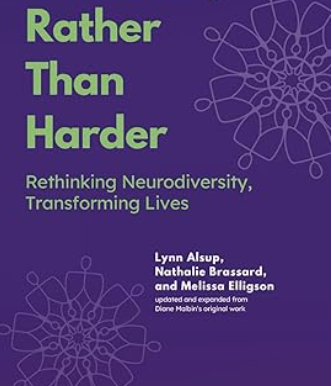
This book details the connection between brain function and behaviors to create support strategies, helping readers respond to the challenges of neurodiversity, including Fetal Alcohol Spectrum Disorder (FASD). This updated guide uses an extensive collection of stories and examples.

Informational sheet created by Proof Alliance outlining some of the brain-based challenges individuals with FASD may have and strategies to support them.
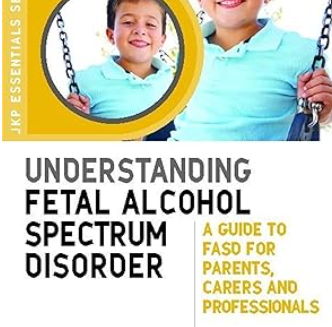
This book is an introduction to FASD. Written by two experts, it explains how alcohol affects a developing fetus and impacts individuals throughout their lives. The guide includes visuals and practical advice for identifying and supporting people with FASD.
For Families

Booklet completed by the child and family outlining strengths and challenges of the individual with FASD. Includes tips that can be helpful for the child's team (providers, teachers, coaches, providers)
The research behind this booklet was supported by Proof Alliance. It outlines housing considerations for those with FASD that foster success - including being close to services, memory-supportive, etc.

Website that describes an Individualized Education Plan - including what it is, legal requirements, IEP developmental, etc.
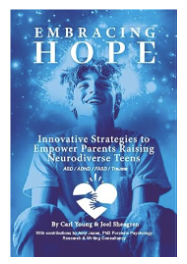
This guide is written by 2 fathers of children with FASD. It offers practical parenting strategies for raising neurodiverse teens with ASD, ADHD, FASD, and trauma-related conditions. Draws from personal experience and neuroscience.
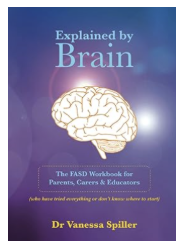
A practical guide by clinical psychologist and parent, Dr. Vanessa Spiller. It offers frameworks and strategies for supporting young people with Fetal Alcohol Spectrum Disorders. The book helps readers understand the impact of prenatal alcohol exposure on the brain, map a child's individual functioning, and implement effective, brain-based parenting strategies.
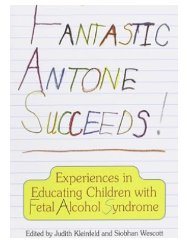
A practical and hopeful guide for educating children with FASD (published in 1993). Includes a collection of personal stories and insights from parents, teachers, and professionals.
Created by FASD United, this fact sheet describes possible characteristics of individuals with FASD and gives resources for more information.

From traumainformedmd.com, this is a 1 page resource sheet for families with websites, books, youtube video, and podcast recommendations for families to learn more about FASD.
FASD United is an organization that empowers people living with FASD, informing research, policy, and practice. Families can take utilize a family navigator through this organization. Also great for resources and sponsor an annual meeting every spring in Seattle.

This is an online binder that includes Power Point presentations and videos. Although this resource is meant to accompany the Mind the Gap program that helps families of individuals with FASD navigate systems with a peer navigator, families can use to learn more about FASD and navigate systems.

Short informational sheet from Proof Alliance for caregivers giving advise on how and when to talk to children about the FASD diagnosis, including focusing on strengths and celebrating successes

Proof Alliance Website for individuals with an FASD. Provides tips for everyday living, explanation of symptoms and resources for connecting with a support network.

Proof Alliance Website for families/caregivers of individuals with FASD. Provides caregiver support networks and access to an FASD informed coach and resource navigator.
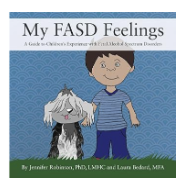
This book is about a young boy with FASD who is struggling in school. He shares his personal perspective. The book is designed to help caregivers discuss FASD with their children. Discussion guide is included.
FASD United offers access to a family navigator. They will offer expert advice regarding all things FASD. It is confidential and free.

Proof Alliance can connect families and individuals with FASD with free, personalized support through a navigator. Services include coaching and resource navigation.
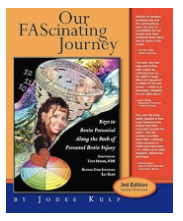
Written by the mother of a child with FASD. Our FAScinating Journey offers a hopeful perspective on raising children with prenatal exposure. The book provides creative strategies and practical advice for navigating the unique challenges of attachment issues, school behaviors, and nutritional needs. Ultimately, the goal is to equip families and professionals with the tools to help children with Fetal Alcohol Spectrum Disorders (FASD) reach their full potential.

Written by an teenager with FASD. Provides a firsthand account of the challenges and realities of living with FASD. Serves as a resource for families and educators, highlighting the importance of understanding and helping children with FASD.
Created by Proof Alliance, this advocacy toolkit includes information about how to advocate in school, employment and general self-advocacy strategies
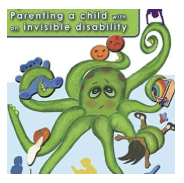
This book is a guide for parents, caregivers, and professionals who support children with FASD. Co-authored by medical expert Dr. Mary Mather and FASD parent and expert Julia Brown, it blends clinical knowledge with practical, daily strategies.
Proof Alliance is a Minnesota-based organization that whose mission is to prevent prenatal alcohol exposure and provide support to those affected by FASD. This website provides resources for individuals with FASD and their families as well as providers. Families can take utilize a navigator through this organization.
Training in the FASCETS Neurobehavioral Approach based on the work of Diane Melbin, original author of "Trying Differently Rather than Harder". Emphasizes link between brain-based differences and behaviors that can be used in a strength-based approach to understanding individuals with FASD and other forms of neurodiversity (autism, ADHD, brain injuries)
This is a series of 16 video sessions available on Youtube through Ohio Guidestone. Brain-based challenges and strategies to support individuals with FASD.
This book details the connection between brain function and behaviors to create support strategies, helping readers respond to the challenges of neurodiversity, including Fetal Alcohol Spectrum Disorder (FASD). This updated guide uses an extensive collection of stories and examples.
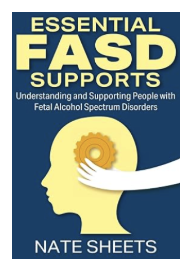
This book is a guide for parents and professionals seeking to effectively support individuals with FASDs. It reframes "challenging behaviors" by linking them to the brain-based needs of people with FASDs, offering practical and proactive strategies for daily life.
Booklet that outlines strategies for managing behaviors and supporting activities of daily living for individuals with FASD. Includes a "does not work" section, which should be reviewed with families as the strengths and challenges faced by individuals with FASD vary widely and some of these strategies may be effective, but might require more support (e.g. consequences)

Informational sheet from Proof Alliance giving practical, everyday living skills advice to adults with FASD.
Informational sheet created by Proof Alliance outlining some of the brain-based challenges individuals with FASD may have and strategies to support them.
This book is an introduction to FASD. Written by two experts, it explains how alcohol affects a developing fetus and impacts individuals throughout their lives. The guide includes visuals and practical advice for identifying and supporting people with FASD.

A booklet with suggestions to support adults with FASD. Intended for all types of caregivers of adults with FASD.
For Educators
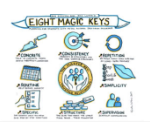
The 8 Magic Keys, developed by Deb Evenson and Jan Lutke, are a set of guidelines for creating effective learning interventions for individuals with FASD. These key principles are concrete, consistency, routine, specific, structure, supervision, repetition, simplicity, and relationship.
A practical guide by clinical psychologist and parent, Dr. Vanessa Spiller. It offers frameworks and strategies for supporting young people with Fetal Alcohol Spectrum Disorders. The book helps readers understand the impact of prenatal alcohol exposure on the brain, map a child's individual functioning, and implement effective, brain-based parenting strategies.
Created by FASD United, this fact sheet outlines potential challenges those with FASD may have that can impact learning. Helpful tips given to support those with FASD in the classroom.

Created by FASD United, this is a letter to teachers that can be completed by grade school aged children and families describing FASD, strengths and challenges for the child, as well as techniques that can be helpful to foster learning.

Created by FASD United, this is a letter to teachers that can be completed by grade school aged children and families describing FASD, strengths and challenges for the child, as well as techniques that can be helpful to foster learning.
Booklet designed by SAMHSA for educators of school aged children with FASD. Contains information and teaching techniques.
Book for educators that includes general information about FASD, brain-based differences in learning and behavior and educational strategies that support children with FASD.

Informational sheet created by Proof Alliance outlining brain-based learning differences children with FASD may have and classroom strategies to support them.

Strategies for working with children with FASD in the classroom. Gives very practical tips on topics of learning, managing behaviors, and social interactions
For Child Welfare
Created by FASD United, this fact sheet outlines how to support children with FASD in the child welfare system and the importance of recognition/diagnosis.
For Employers
Created by FASD United, this fact sheet outlines accommodations in the workplace that can be helpful and tasks that individuals with FASD might perform well.

Created by Proof Alliance, this informational sheet gives tips to support those with FASD succeed in their job.
For Criminal Justice/Police
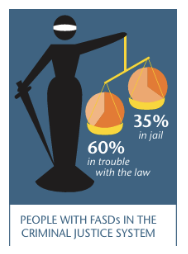
A fact sheet about FASD for the criminal justice system
Created by FASD United, this fact sheet outlines potential challenges those with FASD may have and how they can lead to interactions with police and the judicial system.
Created by Proof Alliance, this fact sheet outlines reasons individuals with FASD get involved the law and what justice professionals should know.
Created by FASD United, this fact sheet outlines how to recognize individuals with FASD in law enforcement settings and interview approaches.