Autism
These resources aim to improve the communication of physicians with patients and their families related to diagnosis of a chronic medical condition and/or evaluation of an emotional/behavioral health diagnosis.
Care guide from University of Washington for autism. Includes care algorithm, description of treatments, resources, handouts. Some, but very few, references are specific to Washington state.
Autism Navigator supported by professionals at the University of Florida, includes family -friendly basic information about how to recognize red flags for ASD. The ASD video glossary is a good way to teach healthcare trainees how to recognize behaviors that are concerning for ASD.
Website contains materials for parent review as well as videos reviewing mostly young children exhibiting features of autism broken down by specific DSM-5 criteria.
The Autism Self Advocacy Network is an organization run by and for autistic people. Supports self-advocacy and disability rights. Includes a resource library, including toolkits.
The Autistic Self Advocacy Network Autism Diagnosis Toolkit is written by autistic adults and parents of autistic children. It is a guide for parents navigating a child's new autism diagnosis. It emphasizes that autism is a natural disability and a fundamental part of a person’s identity rather than a disease to be cured.
Website contains large amount of information about screening, diagnosis, and treatment of ASDs. Can request access to toolkits for various topics/concerns. Many linked articles or tips for families.
Toolkit for families of newly diagnosed school age children with ASD. has weekly guides and questions to think about for finding treatment professionals.
Toolkit with information for families of newly diagnosed young children with ASD. Includes weekly guides for action parents can take.

The viewer is provided with videos of patient interviews, designed to provide basic information about autism (diagnostic criteria and how to conduct an interview). Note: Pictures look outdated, rather boring to watch, not inspiring, looks dated.
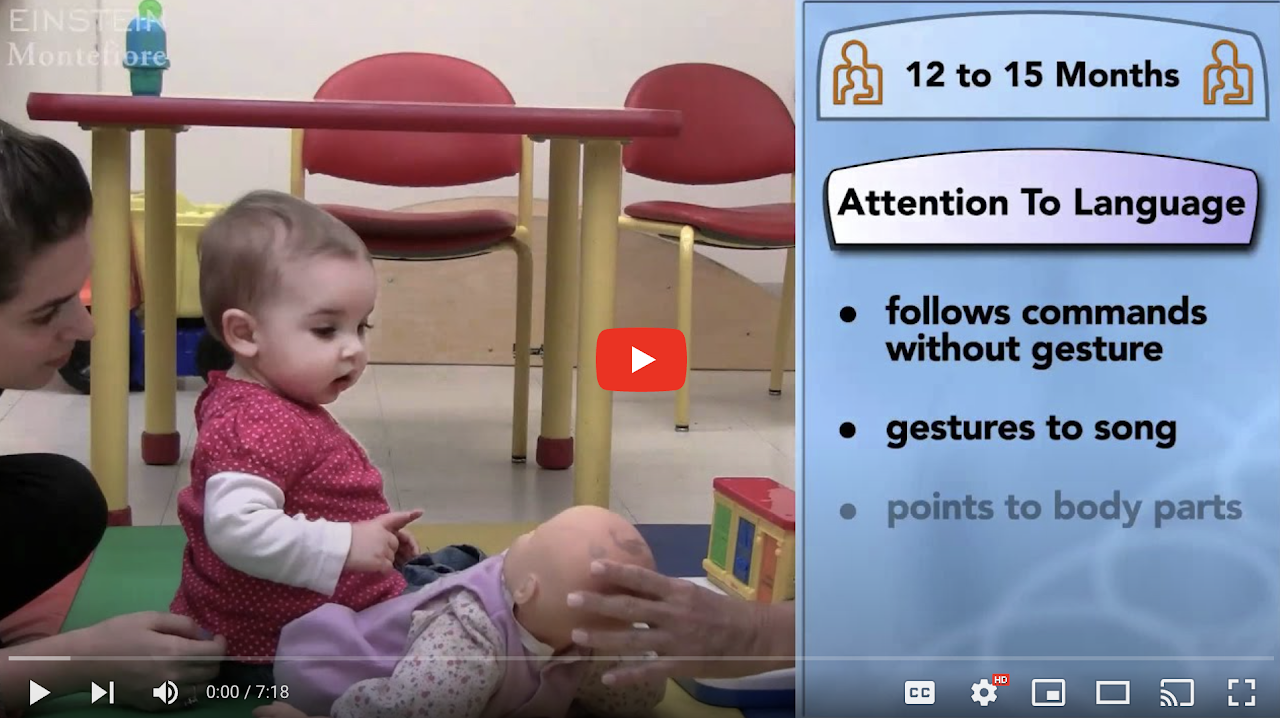
Video of overview of infant and toddler communication development/milestones. Includes helpful clips of milestones in action to provide examples of typical development.

This course is comprised of seven cases designed by teams of practicing developmental-behavioral pediatric fellows and faculty. The cases are divided into 7 modules that address fundamental components of identifying, diagnosing, and managing autism spectrum disorder.
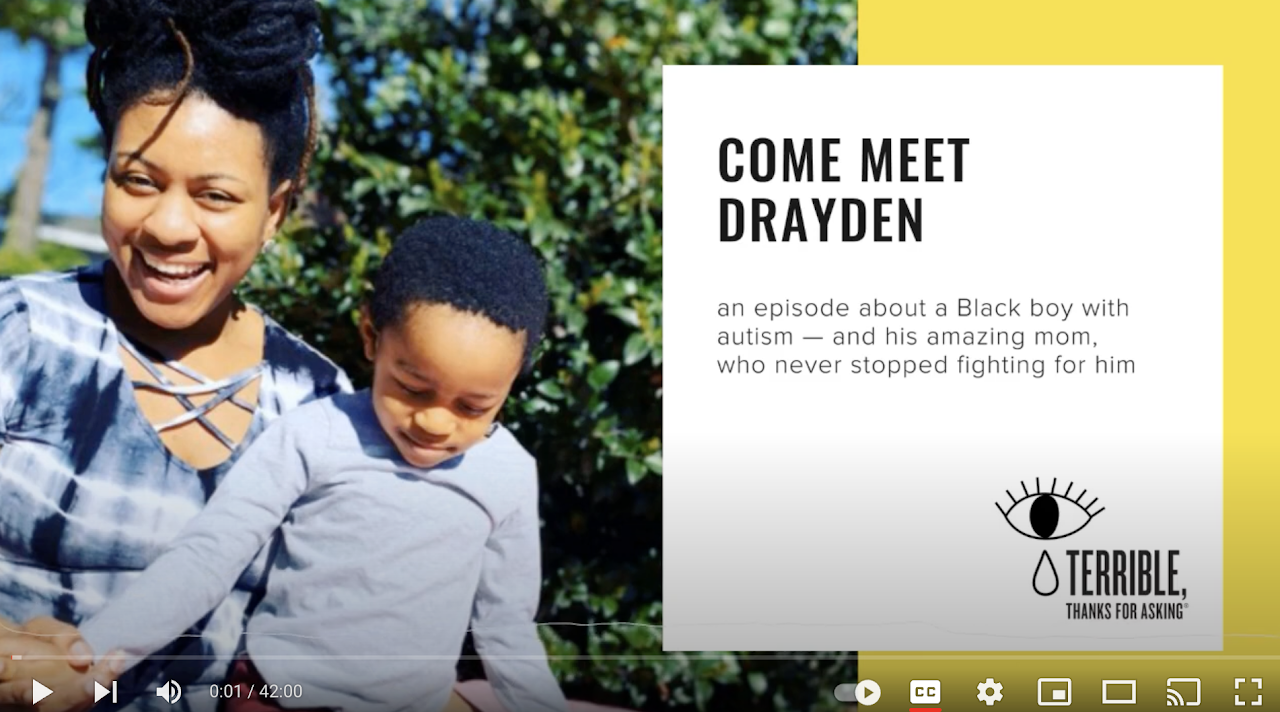
This podcast tells the story of a young Black boy with ASD and his mother's fight to get him appropriately diagnosed.

20 common genetic disorders are briefly described, with genetic etiology, and phenotype, includes photos
This website discusses developmental monitoring and screening guidelines for healthcare professionals. It contains links to milestones, a list of screening tools, and briefly discusses where to refer a child if concerns arise.

Korean drama (subtitles) about a young Korean woman with autism who becomes a lawyer. Detective stories meets law drama meets autism awareness. Entertaining in general. Good descriptions of problems experienced by people with autism.
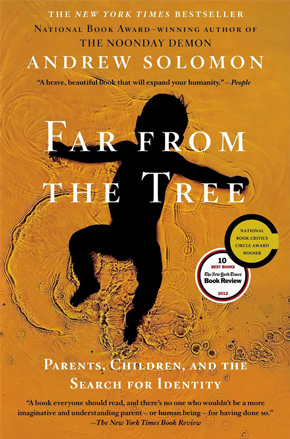
Book about families with children with various disabilities (hearing loss, autism, Down syndrome, schizophrenia, dwarfism, etc). Explores triumphs and challenges of raising children with neurodevelopmental and mental health disorders from parent and child perspective.
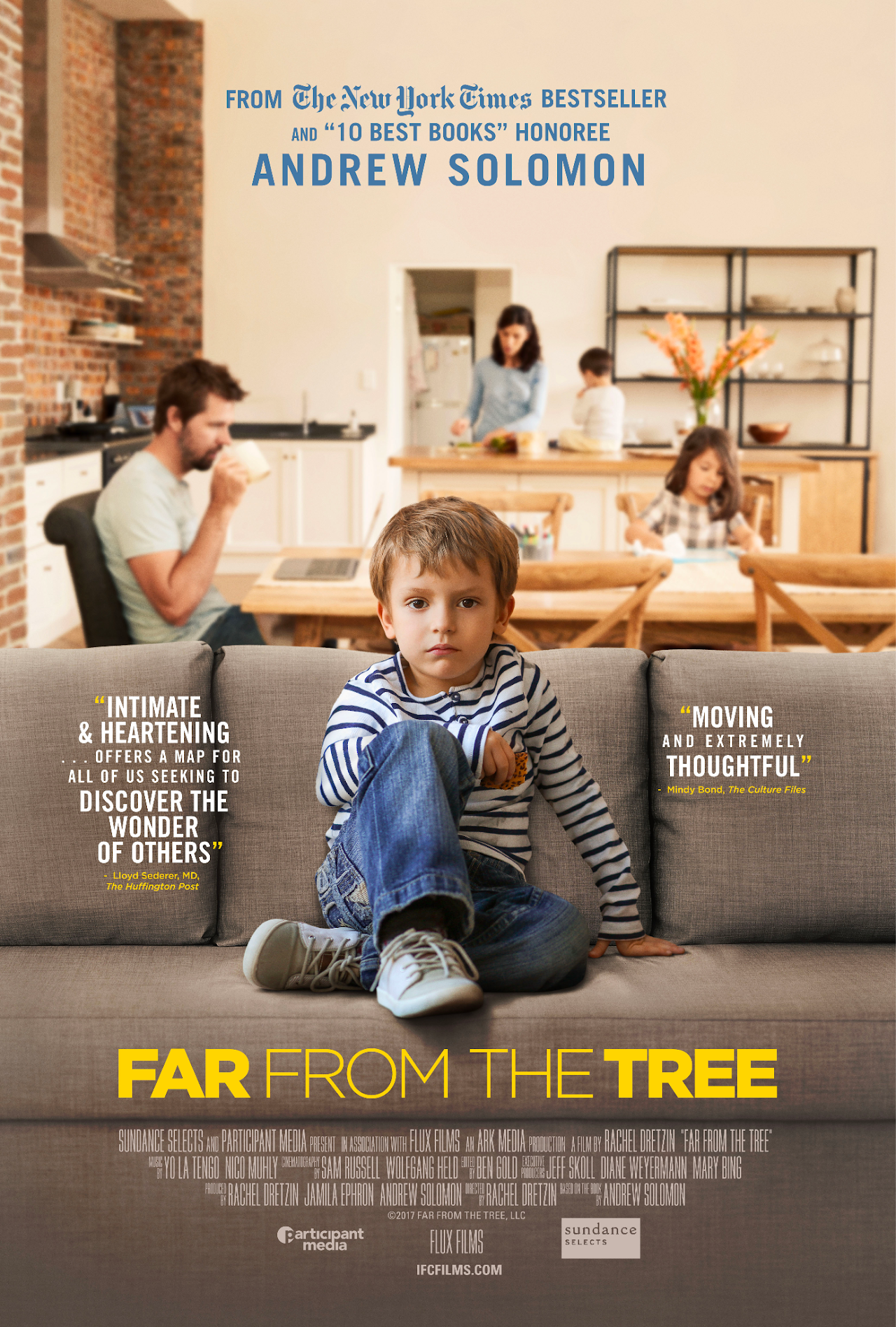
Based on the book Far From the Tree, this is a documentary about families with children with various disabilities. Explores triumphs and challenges of raising children with neurodevelopmental and mental health disorders from parent and child perspective.

This is a helpful and succinct resource to share with parents. This information can be used to help them identify clues in toddler development that can alert them to a potential issue. These clues may be indicative of possible autism but also may lead to other diagnoses, including vision problems or hearing loss. Early identification of developmental delays and/or differences is important for early intensive intervention to begin.

This course will increase knowledge among pediatric clinicians on evidence-based practices for screening, evaluation, referral for diagnosis and management of children with autism spectrum disorder (ASD).
This is an excellent comprehensive resource that includes videos and text to share the most reliable, evidence-based information currently available on Autism Spectrum Disorder (ASD). It is designed primarily for those on the spectrum and their families as well as educators and health care workers to provide information about the nature of autism, what treatments are available and issues related to living with ASD. Available in English, Chinese and Spanish languages.
Helpful slide deck of overview of SSRI and atypical antipsychotics for children, including use in depression, anxiety, and autism.

Part documentary part reality show (there's ongoing debate), this film follows several adults on the Autism spectrum in Australia who are searching for love. The film is delightful, relatable, and seems to have genuine care for its participants, including moments of breaking the "fourth wall". Generally, the disability community seems to accept this show as non-exploitative and representative, with some minor concerns about content and expectations, providing a more ethical means for the neurotypical community to learn more about and relate to those on the spectrum.
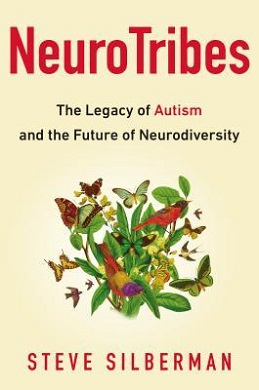
Deep dive into the history of autism since is was first described in the medical literature. Includes family stories and focuses on advocacy for acceptance of neurodiversity.
Created by the Autism Self Advocacy Network, this toolkit explains how to make resources easy to read and understand for individuals with autism, intellectual disabilities, and language-based disorders. Easy Read is a specific accessible format characterized by the use of pictures and icons paired with easy-to-understand language

PATH (Program Accessibility to Healthcare) website was developed by UC Davis with funding from the Children's Miracle Network. Includes resources for improving healthcare experiences for neurodiverse children and their families. Contains training materials (videos) and visual supports for blood draws, EEGs, sleep studies, vital signs etc. Materials can be used to create a more comfortable clinical experience.

Project ImPACT is recognized as one of the most effective coaching programs for parents of young children with autism and related social communication delays. Project ImPACT teaches parents strategies they can use to help their child develop social, communication, imitation, and play skills during daily routines and activities.
Project ImPACT is a naturalistic developmental behavioral intervention (NBDI) and is supported by research. It was recently recognized as a Manualized Intervention Meeting Criteria by the National Clearinghouse on Autism Evidence and Practice (NCAEP).
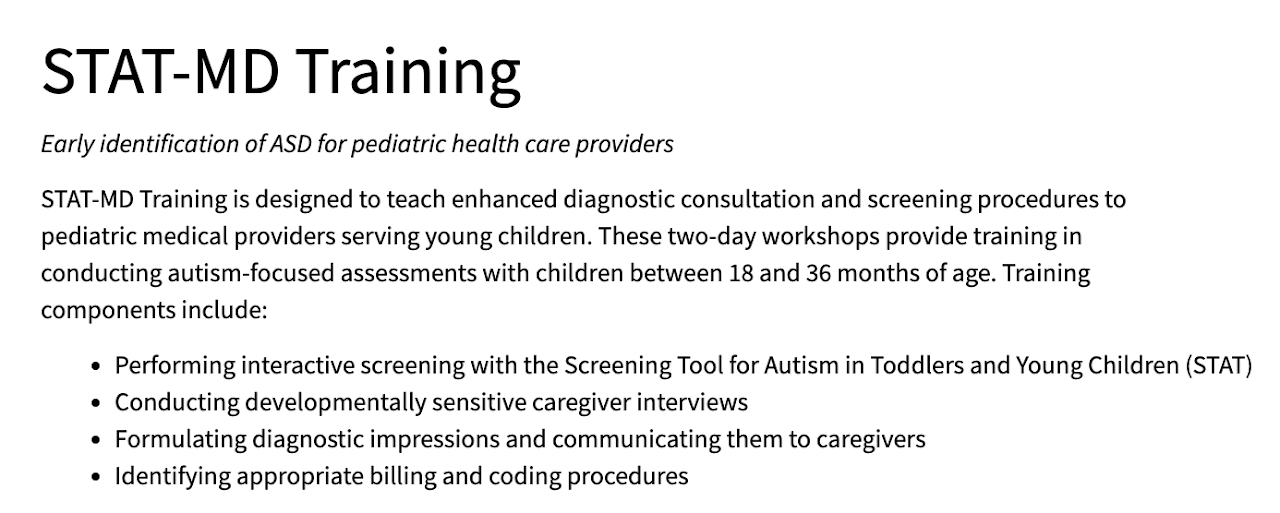
This workshop course offered through Vanderbilt provides clinicians with step-by-step training about the basis behind the STAT-MD (Screening Tool for Autism in Toddlers and Young Children), which is a 12-item play-based (Stage 2) screening tool for early identification of ASD aimed at pediatric providers that takes about 15 minutes to administer (and has a high level of diagnostic accuracy). The STAT training goes over core features of ASD, manual and administration overview, video examples, scoring practice, and real world implementation.
Resource for families that provided background and details of commonly recommended treatments for children and adolescents with ASD.

Overview of how to conduct ASD assessments via Telehealth.