ADHD
Care guide from University of Washington for ADHD. Includes care algorithm, med management, Vanderbilts, resources.

These resources aim to improve the communication of physicians with patients and their families related to diagnosis of a chronic medical condition and/or evaluation of an emotional/behavioral health diagnosis.

This brief lecture on ADHD presents the definition and epidemiology of Attention Deficit/Hyperactivity Disorder, discusses the potential etiologies, reports strategies for diagnosis, and lists treatment modalities.

The effective child therapy website was developed in partnership with APA Division 53 - Society of Clinical and Adolescent Psychology. The website is intended to be a resource to identify symptoms of specific disorders and to learn of the evidence-based intervention associated with that disorder.

Website offers information regarding the education of children and adults with learning disabilities and ADHD. Topics include educational law, teaching strategies, parental supports, technology in education, and ways of dealing with the social and psychological impact of learning disabilities.
Series of podcasts about ADHD created for CHADD. Excellent content delivered by national experts about various ADHD topics (diagnosis, treatment, transition, comorbidities).
Good overview of medications used for ADHD, Anxiety, Depression and the mood stabilizers. It provides insight into starting doses, converting dosing, side effects, when to change medications and includes FDA approval and evidence based recommendations from clinical trials. The slides are easy to read and only include high yield recommendations, but it is a thorough resource.
The website includes a summary of the video which discusses commonly used screening tools for assessment of anxiety, depression and ADHD. Additional resources for providers and families are available on the website.

This is excellent - good level of detail, self-paced, active learning opportunity.
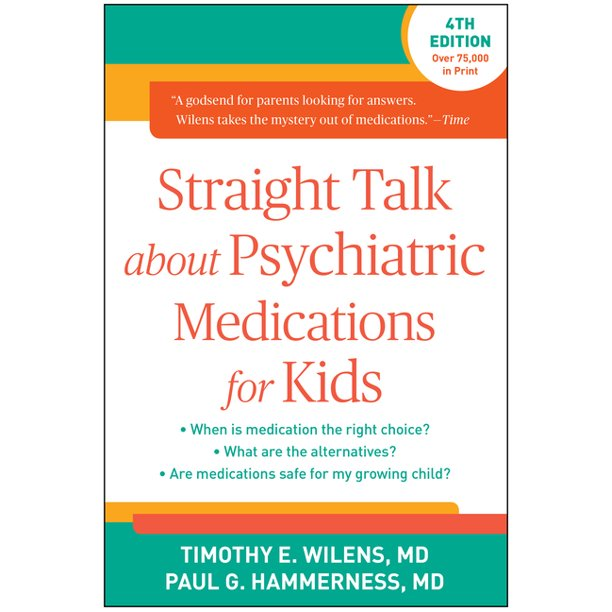
Easily accessible discussion of all classes of psychopharmacology used in pediatric patients, geared towards parents but in appropriate detail for trainees or practicing clinicians.
Short video clips of children sharing their experiences of having learning (reading, math, writing) and attention/ executive functioning difficulties. Children from various grade levels are represented. Each video includes the child's perspective as well as tips from a professional on next steps to addressing these learning and attention challenges. These are most helpful for families, but could also be helpful for trainees and practicing providers.

This website uses simplified language that may help physicians educate parents about certain terms (accommodations vs intervention, etc). Primarily targets parents and students. Provides videos from students about their feelings about their disabilities and what advice they may have. There are some resources for parents (backpack checklist, for example).