Abstract Submissions Types
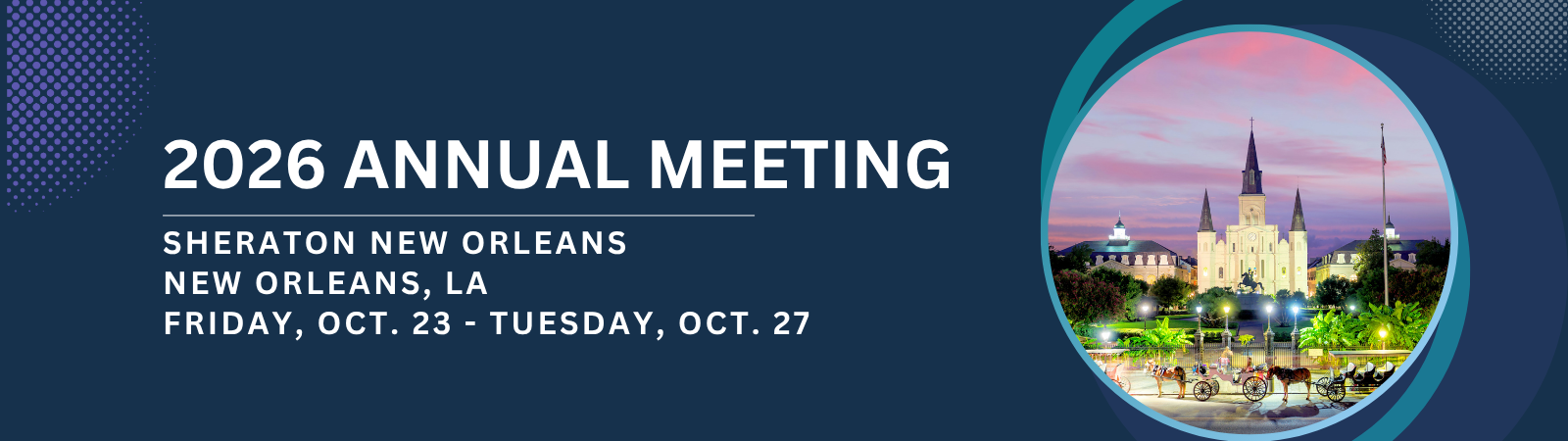
SDBP 2026 Abstract Submissions Types: Deadline: May 6, 2026 (11:59pm eastern)
ABSTRACT SUBMISSIONS
Research presentations:
- Individual Research Abstracts (Poster, Platform, Poster Symposium)
- Research Symposium
- Spotlight Research
Professional development sessions:
- Topical Symposium
- Conversational Roundtable
- Clinical Case Conference
Please read the submission options carefully before beginning submissions: SDBP and the Program Committee are committed to developing a strong inter-disciplinary program that is inclusive of racial/ethnic diversity, as well as a range of institutions, professional backgrounds, and practice locations. We value the voices of all colleagues and the children/families we serve and are committed to respecting the identities of all participants using inclusive and anti-biased language.
We require the use of inclusive, anti-biased language in submissions and presentations and encourage submitters to review Words Matter: AAP Guidance on Inclusive, Anti-biased Language or the APA’s Bias-Free Language while preparing submissions. Additional guidance for the use of inclusive language is found in the Abstract Submission Guidelines.
ABSTRACT SUBMISSION TYPES
RESEARCH SESSIONS
The SDBP Annual Meeting will offer multiple formats of research presentations. Multiple submissions from the same dataset are discouraged, and abstracts should represent final and original results. Submissions containing only interim or partial results are discouraged and are likely to be rejected. Peer Review of Research Session Abstracts: Submitted abstracts are anonymous and independently reviewed by multiple members of the Program and Research Committees and ad hoc reviewers. Each abstract is reviewed and assigned a summary score based on the following categories:
- Originality
- Scientific Merit/Importance
- Quality of Research Design and Analysis
- Conclusions and Impact
- Quality of Submission
- Inclusion of diversity, equity, inclusion, and social justice considerations
1. Individual Abstract Presentations (Platform, Poster, Poster Symposium):
Individual research abstracts must contain Introduction, Methods, Results, and Conclusion sections and must be limited to 300 words. These abstracts may be selected for presentation as part of a Research Platform, a Poster Session, or a Poster Symposium. Authors will submit research abstracts, and the Program Committee will determine the grouping of accepted presentations to one of the three formats.
- Research Platform: A grouping of multiple 15-minute oral presentations, with a moderated audience discussion/opportunity for questions.
- Poster Session: Posters are visual/graphic displays of research and offer one-on-one discussions between presenters and interested attendees during sessions. This is the appropriate format where material can be explained briefly, is suited for graphic or visual presentation, and/or the presenter would benefit from high levels of interaction and discussion.
- Poster Symposium: Depending on the individual abstracts that are received, the Program Committee may place selected abstracts into groups to form a Poster Symposium. This format provides a forum for sharing research in a more interactive setting than provided in poster sessions. Authors of abstracts selected for the Poster Symposium will prepare and present a five-minute oral presentation and a visual poster.
2. Research Symposium:
Each SDBP Research Symposium will consist of a cohesive group of empirical research presentations on topics of etiology, mechanisms of change, prevention, treatment efficacy, treatment effectiveness, dissemination, and implementation, etc. Each symposium will be 60-90 minutes in length and will include one chair (primary contact), one discussant, and three or four 15-minute presentations. The chair will briefly present the theme of the symposium and introduce the presenters. The presenters will speak for 15 minutes each, and the discussant will provide an integrative synthesis of the presented work and moderate a 15-minute question/answer session between the audience and presenters. While the chair may present research within the symposium, the discussant cannot. The total number of speakers may not exceed 6 (chair, 4 presenters, discussant).
- Multidisciplinary and multi-institutional presentations are strongly encouraged.
- Each symposium should include a full range of career levels and expertise.
- Individual presentation abstracts: 300 words each including Introduction, Methods, Results, and Conclusions.
- Summary Abstract: 250 words summarizing the nature and significance of the body of research to be presented.
- Please specify the preference of 60 or 90 minutes for presentation of the full symposium.
3. Spotlight Research Presentations: 60-minute session:
This format provides a forum to debut new, ground-breaking, or innovative findings in the field of developmental & behavioral pediatrics and for senior researchers to present their body of research to colleagues. Spotlight Research Presentations will allow for a more in-depth presentation than is possible with other research presentation formats and will be scheduled for 60 minutes, consisting of a 45-minute research presentation and a 15-minute question/answer period. Submitting authors can specify their desire for the submission to be considered for an alternative option such as Research Platform, Poster Presentation, or Poster Symposium if the submission is not accepted for a Spotlight Presentation.
- Proposals will include:
- Abstract (400 words): Summary of the body of research, with specific emphasis on the ground-breaking and/or innovative impact of the research on the field of developmental-behavioral pediatrics (providers, children, families, teachers).
- Three learning objectives (Authors are encouraged to review: Chatterjee D, Corral J. How to write welldefined learning objectives. J Educ Perioper Med. 2017;19(4):E610. https://www.ncbi.nlm.nih.gov/pmc/articles/PMC5944406/)
- Provide 2-3 relevant recent sources; (needed for CME submissions).
- Biosketch: Authors should provide a biosketch using NIH format (https://grants.nih.gov/grants/forms/biosketch.htm)
PROFESSIONAL DEVELOPMENT SESSIONS
Peer Review of Professional Development Abstracts: Submitted abstracts are anonymous and independently reviewed by multiple members of the Program Committee and ad hoc reviewers.
Each abstract is reviewed and given a summary score based on the following categories:
- Significance: Relevance to the professional development of developmental-behavioral clinicians
- Approach: Quality of the content and teaching methods
- Impact: Extent the session will make a significant contribution to professional practice (research, teaching, clinical, advocacy activities)
- Quality of submission
- Appropriate consideration for diversity, equity, inclusion, and social justice
1. Topical Symposia: 75–90-minute session
Each Topical Symposium will be a 75- or 90-minute session presented by a range of informed individuals (e.g., researchers, clinicians, community stakeholders, consumers) on a topic that is relevant to practice issues, clinical care, training, or research. Topical Symposia are intended to allow the audience to compare/contrast models, understand multiple perspectives on issues, and engage with conceptual questions. Multidisciplinary and multi-institutional presentations are strongly encouraged.
Examples of topics for potential Topical Symposia include, but are not limited to:
- Professional Development/Training/Education: Sessions to enhance professional leadership, networking, wellness, or the educational experience of trainees; patient/client education is not included in this category, but may fit within Public Health/Advocacy, Practice Issues/Models of Care, or Clinical Issues & Advancements depending on the objectives of the session
- Public Health/Advocacy: Sessions that focus on promotion of public health, health policy, or enhancement of advocacy skills
- Practice Issues/Models of Care: Sessions that present innovative care models that can be adapted to other sites, address issues of billing/coding, or other practice management topics
- Clinical Issues & Advancements: Sessions that present diagnostic, assessment, and treatment innovations, focus on advancement of clinical care, and address updated or controversial clinical practice standards; presentations should provide attendees with applied clinical skills
- Research Concepts and Methods: Sessions that explore research methodology or conceptualization of research questions; original data should not be included
Topical Symposia are organized by a chair/moderator and include 3-5 presenters with a range of experiences, areas of clinical/research focus, professional practice settings, clinical approaches, attitudes/beliefs, etc. Each speaker will provide a 15- to 20-minute oral presentation, and the moderator will facilitate the question/answer session with the audience. The total number of speakers may not exceed 7, including the moderator.
Proposals should include:
- A description of the proposed session, including the need for the topic, purpose, and structure of the symposium (300 words max)
- A description of the career development stage (i.e., trainee, early-career, mid-career, late-career, or seniorcareer) and background (researchers, clinicians, administrators, scholar practitioners, etc.) of the target audience and how the proposed session will meet the professional development needs of that audience (200 words max)
- A brief description of the relevant expertise of the presenters, proposed teaching methods, and approach to prioritizing diversity, equity, and inclusion (200 words max)
- Three learning objectives (Authors are encouraged to review: Chatterjee D, Corral J. How to write well-defined learning objectives. J Educ Perioper Med. 2017;19(4):E610. https://www.ncbi.nlm.nih.gov/pmc/articles/PMC5944406/)
- Provide 2-3 relevant recent sources; (needed for CME submissions).
2. Conversation Roundtable: 90-minute session
This format is intended as a forum for discussion of overarching questions/issues, not for presentation of specific research findings. The roundtable is an engaging conversation among three or four scholars and the audience about ideas, methods, or professional- and research-related experiences. A conversation roundtable must have representation from multiple institutions, and it is highly recommended to include multiple disciplines and levels of training/practice. A central question or theme should serve as a focus for the roundtable. The broader purpose of a roundtable is to encourage networking among individuals or groups who may benefit from shared experiences or from hearing different views on a topic. These sessions should stimulate interest and discussion with the audience without extensive data presentation or use of audiovisual equipment and without necessarily reaching a conclusion. A question or series of questions should be introduced by the panel to start the session. The audience must be given 30 minutes to respond to the questions/issues raised and to introduce additional questions and comments to the panel. As the intent is to offer CME for all educational/science-based sessions offered during the Annual Meeting, specific learning objectives must be developed for the conversation. The moderator for each accepted Conversation Roundtable will need to submit three (3) multiple choice questions for the CME quiz. A Conversation Roundtable:
- MUST HAVE representation from multiple institutions.
- DOES NOT include PowerPoint slides
- MODERATOR (required): 1 moderator is permitted. The moderator organizes the roundtable and enters all information into the submission website, submits the session objectives, and multiple-choice questions necessary for CME credits. A moderator directs the discussion with and among panelists during the roundtable and makes sure that all participants have an equal opportunity to speak. Moderators are strongly encouraged to incorporate multiple disciplines, diversity, and international participation into their sessions. The moderator presents a list of significant questions to the panelists for comment and interactive discussion. These questions, which may address theoretical and/or methodological issues, should be compelling (e.g., cutting edge; related to controversies in the field).
- PANELISTS (required): The 3 or 4 panelists should be prepared to address and debate the questions/topics presented by the moderator and adhere to the timeline provided by the moderator
Proposals should include:
- A 250-word integrative statement that summarizes the nature and significance of the topic
- Three learning objectives (Moderators are encouraged to review: Chatterjee D, Corral J. How to write welldefined learning objectives. J Educ Perioper Med. 2017;19(4):E610. https://www.ncbi.nlm.nih.gov/pmc/articles/PMC5944406/)
- A 400-word description of the session, including the questions/topics to be discussed and the expertise of the panelist who will address each.
- Suggested readings or media
Possible Topics (not an inclusive list):
- Clinical strategies and updates
- Parenting/behavioral support
- Assessment, diagnosis, interventions, and therapies
- New guidelines
- Psychopharmacology updates
- Ethical and legal topics
- Provision of culturally inclusive healthcare
- Research involving marginalized communities
- Supporting trainees and early-career professionals
- Training and competence for forensic/legal work
- Sexuality and neurodiversity
- DBP research and media
- Culture, globalization, and child development
- Diverse approaches for measuring family engagement in DBP research
- Nurturing child development and health in refugee and migrant children
- Presentation of ASD in specific populations
3. Clinical Case Conference: 90-minute session
Clinical Case Conference is an opportunity to share educational case reports that provide valuable clinical pearls to aid clinicians in their everyday practice. The topics covered should have substantial scientific and clinical basis. A Clinical Case Conference should present up to 4 specific cases and include a walk-through of the clinical presentation, assessment, diagnosis, clinical conceptualization, and/or relevant treatment issues and outcomes. All cases must be fully de-identified to protect the privacy of the patient. It is recommended that this session include up to 4 presenters to present the clinical case materials and include an expert discussant to engage audience discussion. Conferences should include an audience response system or other interactive methods to engage attendees.
Submitted cases should meet at least one of the following criteria:
- Originality: the case should describe a rare but relevant condition or an unusual presentation of a relatively common condition that would be of interest to practicing DBP clinicians.
- Educational value: the case should have a clear teaching message relevant to practicing DBP clinicians.
Clinical Case Submission Format:
- The submission must present a clear and concise summary of the case in the following format:
- Objective: Overall objective/theme of the selected cases (should be related to the Originality or Educational Value discussed above)
- Case Presentations: Brief background on each of the identified cases and description of the manner of presentation
- Discussion: Points/questions to be addressed by the discussant. Should include concrete take-away points for attendees
- Two learning objectives
- Identifying information: At no point in the abstract should patient identifiers or words occur identifying either the city or institution associated with the abstract. This facilitates anonymity of the review process. If such material is contained in the submission, it will be withdrawn from consideration.